
Drew Barrymore Faces Copyright Infringement Lawsuit Over Uncleared Music on Instagram
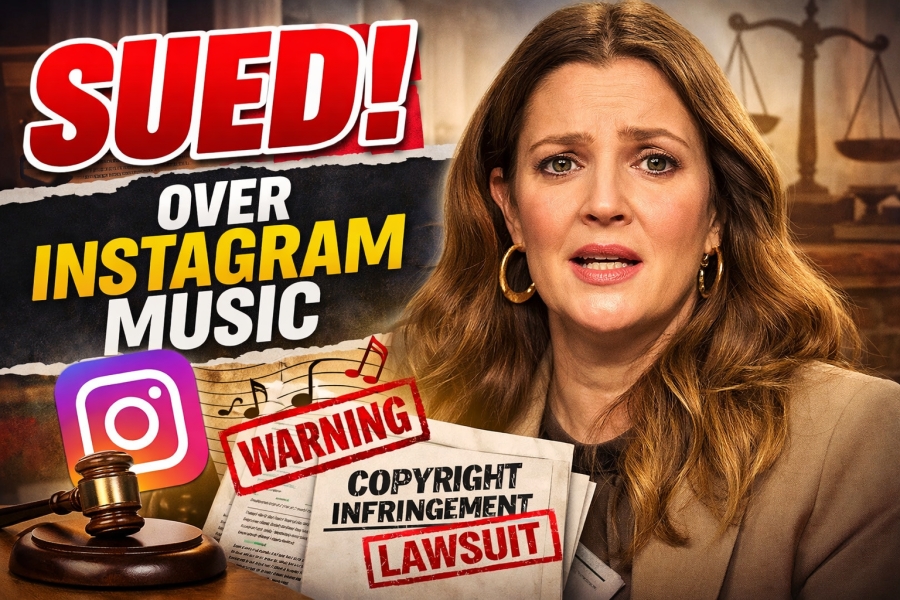
In the digital age, social media has become an essential tool for celebrities to connect with fans, promote projects, and build personal brands. However, even high-profile figures are not immune to the complex legal frameworks that govern online content. Recently, Drew Barrymore has found herself at the center of a copyright infringement lawsuit after allegedly using uncleared music in an Instagram post—a case that is rapidly becoming one of the most talked-about music and entertainment law stories of the year.
This lawsuit highlights a growing tension between social media usage and copyright law, particularly as platforms blur the line between personal expression and commercial activity. In this article, we’ll break down what happened, why it matters, and what creators—both famous and independent—should learn from the situation.
Understanding the Drew Barrymore Copyright Lawsuit
The lawsuit filed against Drew Barrymore centers on an Instagram video posted in 2023, which allegedly featured a piece of music used without proper licensing or permission. According to the plaintiff, the song was copyrighted and used in a way that exceeded what is legally allowed under Instagram’s music licensing agreements.
While many Instagram users assume that using music through the platform’s tools is always safe, copyright law is far more nuanced—especially when the account belongs to a celebrity or is used for promotional purposes.
This case is not about accidental background noise or a short clip caught unintentionally. The claim argues that the music was used deliberately and publicly, and that the post functioned as branded or commercial content rather than a purely personal upload.
Why This Case Is Gaining So Much Attention
There are several reasons why this lawsuit is being closely watched by the music and entertainment industries:
-
Drew Barrymore is a globally recognized celebrity, not an anonymous user.
-
The case touches on Instagram’s music licensing limitations.
-
It raises questions about fair use, influencer marketing, and digital monetization.
-
It could set a precedent for how copyright law is applied to celebrity social media accounts.
As more artists, actors, and influencers rely on social platforms for visibility and income, legal clarity in this area is becoming critical.
Instagram Music Licensing: What Many Users Get Wrong
One of the most common misconceptions is that Instagram’s built-in music library grants unlimited usage rights. In reality, this is not the case.
Personal vs Commercial Use
Instagram’s music licenses are generally intended for personal, non-commercial content. When an account is tied to a brand, business, or monetized presence, the rules change dramatically.
In Drew Barrymore’s case, the lawsuit argues that her Instagram account functions as a commercial platform, promoting her talk show, production company, and personal brand. This distinction is crucial.
Limited Rights, Not Ownership
When users add music to Instagram Stories or Reels, they are not licensing the music themselves. Instead, Instagram holds platform-level licenses that come with strict conditions. If content falls outside those conditions, the user—not Instagram—may be held liable.
The Music Industry’s Increasing Push for Enforcement
Over the last few years, music rights holders have become far more aggressive in protecting their intellectual property online. With streaming revenues stabilizing and physical sales declining, licensing and enforcement have become major income sources.
High-profile lawsuits serve two purposes:
-
Recover lost licensing revenue
-
Send a clear message that copyright law applies to everyone
The Drew Barrymore lawsuit fits into a broader pattern of labels, publishers, and rights organizations cracking down on unauthorized usage—especially when the content involves high visibility and potential commercial gain.
Is Fair Use a Valid Defense in This Case?
Fair use is often misunderstood and frequently misapplied. While it allows limited use of copyrighted material without permission, it depends on four key factors:
-
Purpose and character of the use
-
Nature of the copyrighted work
-
Amount used
-
Effect on the market value
In celebrity social media cases, fair use is notoriously difficult to prove. If a post promotes a brand, show, or product—even indirectly—it may be classified as commercial use, significantly weakening any fair use defense.
Legal experts suggest that Drew Barrymore’s team will likely argue context and intent, but success is far from guaranteed.
How Celebrity Status Changes the Legal Landscape
Unlike private individuals, celebrities operate under heightened scrutiny. Courts often consider:
-
Audience reach
-
Revenue generation potential
-
Brand affiliation
-
Professional management involvement
A video shared with millions of followers carries far more commercial weight than one shared with a few friends. This means celebrities are often held to a higher standard, even when using the same platforms and tools as everyday users.
What This Means for Influencers and Content Creators
The implications of this case extend well beyond Hollywood. Influencers, YouTubers, TikTok creators, and even small business owners should pay close attention.
Key Takeaways for Creators
-
Do not assume platform music = legal safety
-
Avoid copyrighted music in sponsored or promotional posts
-
Use royalty-free or properly licensed tracks
-
Keep records of licenses and permissions
-
When in doubt, consult a music rights professional
This lawsuit reinforces a critical truth: visibility increases liability.
The Role of Instagram and Social Media Platforms
While Instagram provides access to music libraries, it often places the responsibility for proper use on the user. Terms of service are written broadly, and enforcement typically happens after a rights holder files a complaint.
This raises important questions:
-
Should platforms offer clearer guidance?
-
Should commercial accounts be restricted from certain music features?
-
Who ultimately bears responsibility: the platform or the creator?
As lawsuits increase, platforms may be forced to rethink how they handle music licensing transparency.
Potential Outcomes of the Drew Barrymore Lawsuit
There are several ways this case could unfold:
Settlement
Most likely, the case could be settled out of court, with financial compensation and no admission of wrongdoing.
Dismissal
If the defense successfully argues fair use or improper claim filing, the case could be dismissed—though this is less common.
Court Ruling
A full court ruling could establish clearer legal precedent for social media music usage, particularly for public figures.
Regardless of the outcome, the case is already influencing how creators approach content creation.
Why This Case Matters for the Future of Music Rights
The intersection of social media and copyright law is one of the most rapidly evolving legal areas today. This lawsuit underscores the need for:
-
Clearer licensing structures
-
Better education for creators
-
Updated laws that reflect modern digital behavior
Music is one of the most valuable creative assets in the world, and rights holders are no longer willing to overlook unauthorized use—no matter how casual it may seem.
Final Thoughts: A Wake-Up Call for the Digital Era
The Drew Barrymore copyright infringement lawsuit is more than celebrity news—it’s a wake-up call for the entire creator economy. As social media continues to dominate entertainment, the legal frameworks surrounding it are catching up fast.
Whether you’re a global star, an influencer, or an independent artist, one lesson is clear: copyright law still applies online. Understanding it is no longer optional—it’s essential.
If even a household name like Drew Barrymore can face legal action over an Instagram post, no one can afford to ignore the rules.
