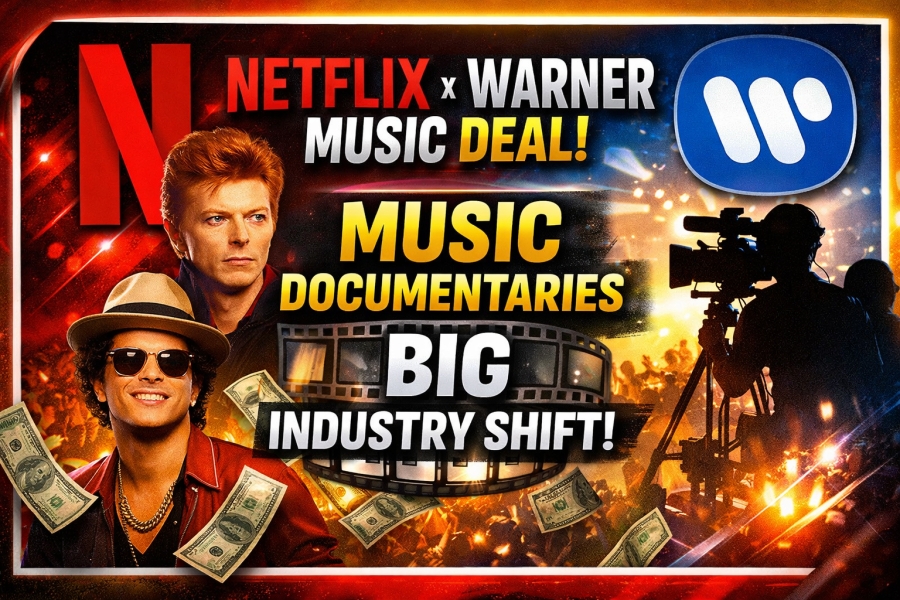
🎬 Netflix x Warner Music Deal: The Future of Music Is Now Visual
The music industry is evolving faster than ever, and one of the most significant developments in 2026 is the groundbreaking partnership between Netflix and Warner Music Group. This multi-year deal is set to redefine how music is consumed, monetized, and experienced globally.
At its core, this collaboration signals a powerful shift: music is no longer just about audio streaming—it’s about storytelling, visual experiences, and cultural impact. With plans to produce high-quality music documentaries and artist films featuring icons like David Bowie and global superstars like Bruno Mars, this deal represents a new frontier in entertainment.
But what does this really mean for the music industry, artists, and fans? Let’s break it down.
🎥 The Rise of Music as Visual Content
For decades, music has primarily been consumed through audio—radio, CDs, downloads, and now streaming platforms. However, the modern audience craves more than just songs. They want stories, behind-the-scenes access, and emotional connections with artists.
This is where Netflix comes in.
As one of the world’s leading streaming platforms, Netflix has already proven the power of music-driven content through successful documentaries and concert films. From intimate artist profiles to large-scale tour documentaries, these productions attract millions of viewers globally.
Now, by partnering with Warner Music Group, Netflix gains direct access to one of the largest music catalogs in the world. This includes decades of legendary recordings, unreleased material, and exclusive artist stories.
👉 The result? A content goldmine.
💰 Music Catalogs Become Premium Content Assets
One of the biggest takeaways from this deal is the transformation of music catalogs into high-value intellectual property.
Traditionally, music catalogs generated revenue through:
- Streaming platforms like Spotify and Apple Music
- Physical sales (vinyl, CDs)
- Licensing for film, TV, and commercials
But this partnership introduces a powerful new monetization layer: long-form video content.
Instead of a song generating revenue per stream, it can now be part of:
- A full-length documentary
- A biopic film
- A serialized artist story
- A live performance special
This dramatically increases the lifetime value of music assets.
For example, the legacy of David Bowie can now be reintroduced to a new generation through cinematic storytelling, while modern artists like Bruno Mars can expand their brand beyond music into global entertainment franchises.
🌍 Why Streaming Platforms Are Expanding Beyond Music
The competition among streaming platforms is fiercer than ever. While music platforms like Spotify dominate audio streaming, companies like Netflix are investing heavily in exclusive content ecosystems.
This deal highlights a key industry trend:
👉 Streaming is no longer just about hosting content—it’s about owning unique experiences.
By producing exclusive music documentaries, Netflix can:
- Attract new subscribers
- Retain existing users
- Differentiate itself from competitors
- Tap into global fanbases
Music has universal appeal, and combining it with storytelling creates highly engaging content that travels across cultures and markets.
🎤 Artists Become Multimedia Brands
Another major shift driven by this partnership is the evolution of artists into full-scale multimedia brands.
In today’s industry, success is no longer defined solely by chart performance or streaming numbers. Artists are now expected to:
- Build personal brands
- Engage audiences across platforms
- Create visual and narrative content
- Expand into film, fashion, and business
With Netflix involved, artists under Warner Music Group gain access to a global platform capable of turning their stories into cinematic experiences.
This means:
- Deeper fan engagement
- Greater creative control
- New revenue streams
- Increased global exposure
For artists, this is a massive opportunity to extend their influence far beyond music.
📈 The Business Impact on the Music Industry
From a business perspective, the Netflix and Warner Music deal is a strategic move that could reshape industry economics.
1. Diversified Revenue Streams
Music companies are no longer reliant on streaming payouts alone. Video content opens up new income channels, including licensing, distribution, and advertising partnerships.
2. Increased Catalog Valuation
Music catalogs are becoming more valuable as they can be repurposed into multiple formats. This could drive more acquisitions and investments in legacy catalogs.
3. Cross-Industry Collaboration
The line between music and film industries is blurring. Record labels are now functioning more like entertainment studios.
4. Global Market Expansion
Netflix’s global reach allows artists to tap into new audiences in regions where they may not have been previously popular.
🔥 Why This Deal Matters More Than You Think
At first glance, this might seem like just another business partnership. But in reality, it represents a fundamental shift in how music is positioned in the entertainment ecosystem.
Here’s why it’s so important:
🎯 1. Music Is Becoming Story-Driven
Fans are no longer satisfied with just listening—they want to understand the journey, struggles, and personalities behind the music.
🎯 2. Content Is King
Exclusive, high-quality content is the primary driver of growth in the streaming era.
🎯 3. Attention Is the New Currency
In a crowded digital landscape, storytelling helps artists capture and retain audience attention.
🎯 4. The Industry Is Converging
Music, film, and technology are merging into a single, interconnected ecosystem.
🎬 What Kind of Content Can We Expect?
The possibilities from this deal are enormous. Some likely formats include:
🎥 Artist Documentaries
Deep dives into the lives and careers of iconic musicians.
🎤 Tour Films
Behind-the-scenes access to global tours, rehearsals, and performances.
🎼 Biographical Films
Dramatized stories based on real-life artists.
📺 Music Series
Episodic content exploring genres, movements, or specific eras.
🎧 Studio Sessions
Exclusive footage of artists creating music in real time.
This variety ensures that content appeals to both hardcore fans and casual viewers.
🚀 The Future of Music Consumption
This partnership is a clear sign that the future of music consumption is evolving into a multi-sensory experience.
Instead of simply streaming songs, fans will:
- Watch the story behind the album
- Experience live performances from home
- Connect emotionally with artists
- Engage with interactive and immersive content
This creates a deeper, more meaningful relationship between artists and audiences.
⚖️ Challenges and Potential Risks
While the opportunities are massive, there are also challenges to consider:
❗ Oversaturation
Too much content could dilute quality and overwhelm audiences.
❗ Creative Control
Balancing artistic integrity with commercial demands may become more complex.
❗ Platform Exclusivity
Content locked behind specific platforms could limit accessibility.
❗ Industry Competition
Other labels and streaming platforms will likely respond with similar deals, increasing competition.
📊 What This Means for Independent Artists
While this deal primarily benefits major label artists, it also sets a precedent for independent musicians.
Indie artists can learn from this trend by:
- Creating their own documentary-style content
- Leveraging platforms like YouTube and TikTok
- Building strong personal narratives
- Collaborating with filmmakers and content creators
The key takeaway? Storytelling is becoming just as important as music itself.
🔮 Final Thoughts: A New Era for Music
The partnership between Netflix and Warner Music Group marks the beginning of a new era—one where music is no longer confined to audio formats but expands into a fully immersive entertainment experience.
As platforms compete for attention, storytelling will become the ultimate differentiator. Artists who embrace this shift will not only survive but thrive in the evolving landscape.
For fans, this means richer, more engaging experiences. For the industry, it means new opportunities, new challenges, and unprecedented growth.
One thing is certain:
👉 The future of music isn’t just something you listen to—it’s something you watch, feel, and experience.
