
Native Instruments Responds to Insolvency and Financial Restructuring News: What It Means for the Music Industry
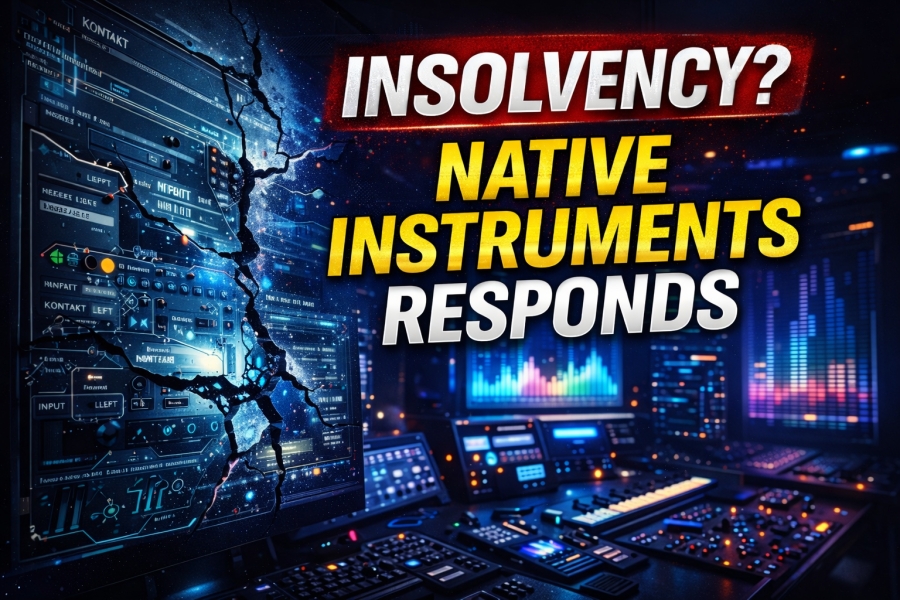
The music technology world was shaken recently when Native Instruments GmbH, one of the most influential companies in digital music production, became the subject of intense speculation following reports of financial restructuring and insolvency-related proceedings in Germany. Almost immediately, producers, artists, investors, and competitors began asking the same questions: Is Native Instruments in trouble? What happens to its products, users, and ecosystem? And what does this mean for the wider music software industry?
In response to growing concern, Native Instruments issued an official statement addressing the situation, clarifying its position, outlining its restructuring strategy, and attempting to reassure customers and partners about the company’s future.
This article breaks down Native Instruments’ response to the insolvency and restructuring news, explains what financial restructuring really means, and explores the broader implications for musicians, plugin developers, and the music tech industry as a whole.
Understanding the Insolvency and Restructuring Reports
Before diving into Native Instruments’ response, it’s important to understand what triggered the headlines.
In late 2025 and early 2026, reports emerged that Native Instruments GmbH had entered formal restructuring proceedings under German insolvency law. These reports quickly spread across music production forums, social media, and industry news outlets, often accompanied by alarming speculation that the company was “going bankrupt” or “shutting down.”
However, insolvency proceedings in Germany are not always equivalent to liquidation. In many cases, they are used as a legal framework for restructuring debt, reorganizing operations, and stabilizing finances while continuing business operations.
Still, given Native Instruments’ central role in modern music production, the news caused understandable concern among its global user base.
Native Instruments’ Official Response: Key Points Explained
Shortly after the reports gained traction, Native Instruments issued an official response aimed at clarifying the situation and calming fears.
Native Instruments Confirms Business Continuity
One of the most important points in the company’s response was a clear assurance that Native Instruments is continuing normal operations. According to the statement, the company remains fully operational, with:
-
Product development ongoing
-
Customer support is still active
-
Existing software and licenses remaining valid
-
Hardware sales and distribution continue
Native Instruments emphasized that there are no immediate plans to discontinue products, services, or platforms, including flagship tools like Kontakt, Komplete, Massive, Reaktor, and Traktor.
This reassurance was crucial, as many users feared sudden shutdowns or loss of access to essential production tools.
What Financial Restructuring Actually Means for Native Instruments
Restructuring vs. Bankruptcy
A major theme in Native Instruments’ response was the distinction between financial restructuring and outright bankruptcy.
Financial restructuring typically involves:
-
Renegotiating debt with creditors
-
Reducing operational costs
-
Streamlining product portfolios
-
Adjusting internal company structures
Rather than signaling collapse, restructuring can be a strategic reset designed to ensure long-term sustainability.
Native Instruments framed the process as a necessary step to adapt to changing market conditions, including shifts in music software pricing, subscription fatigue, and increased competition.
Why Native Instruments Reached This Point
Changing Economics of Music Software
The music software industry has changed dramatically over the past decade. Native Instruments acknowledged that traditional one-time license models are under pressure, while subscription-based competitors and low-cost alternatives have reshaped user expectations.
At the same time, development costs have increased, especially for:
-
Complex sample libraries
-
Cross-platform compatibility
-
AI-powered features
-
Ongoing OS and DAW updates
Maintaining a large legacy product ecosystem like Komplete has become increasingly expensive.
Post-Merger Challenges
Native Instruments is part of the Soundwide group, formed after the merger of Native Instruments, iZotope, Plugin Alliance, and Brainworx. While the merger created a powerful collective, it also introduced integration challenges, overlapping products, and operational complexity.
In its response, Native Instruments hinted that restructuring is partly aimed at simplifying operations and improving efficiency across the group.
Reassurance for Customers and Artists
What Happens to Your Plugins and Licenses?
One of the biggest concerns among users was whether purchased plugins and licenses could suddenly become unusable.
Native Instruments addressed this directly, stating that:
-
Existing licenses remain valid
-
Native Access will continue functioning
-
Software activation systems are unaffected
-
Updates and bug fixes will continue where planned
For professional producers who rely on Native Instruments tools daily, this reassurance was critical.
Long-Term Support Commitments
While Native Instruments stopped short of making long-term guarantees for every legacy product, it reaffirmed its commitment to core platforms and widely used tools.
This suggests a future strategy focused on quality over quantity, potentially reducing the number of niche products while strengthening flagship offerings.
Industry Reaction to Native Instruments’ Response
Mixed Emotions from the Community
The response from the music production community has been mixed but largely measured.
-
Some users expressed relief that Native Instruments is not shutting down
-
Others voiced frustration over years of perceived slow updates and complex pricing
-
Many welcomed the idea of restructuring if it leads to better focus and stability
Forums like Gearspace, Reddit, and KVR Audio saw intense discussion, with many experienced producers noting that restructuring may actually improve product quality in the long run.
Implications for the Music Tech Industry
A Warning Sign for Established Plugin Companies
Native Instruments’ situation highlights broader challenges facing established music software companies:
-
Increased competition from smaller, agile developers
-
The rise of AI-generated music tools
-
Pressure to adopt subscriptions without alienating users
-
Lower willingness among users to pay premium prices
Even industry giants are no longer immune to financial pressure.
Consolidation and Restructuring as the New Normal
The Native Instruments case suggests that consolidation and restructuring may become more common in the music tech sector. Companies that grew rapidly in the 2000s and 2010s are now being forced to rethink their business models.
This could lead to:
-
Fewer but more polished products
-
More cross-company collaboration
-
A stronger emphasis on sustainable development
What This Means for Producers and Musicians
Short-Term Impact: Minimal Disruption
Based on Native Instruments’ response, there is no immediate risk to producers who rely on their tools. Projects, presets, and workflows remain safe for now.
Musicians can continue working without fear of sudden software shutdowns or license loss.
Long-Term Impact: Potentially Positive Changes
In the long term, restructuring could bring:
-
Faster development cycles
-
Better customer support
-
Clearer product roadmaps
-
More transparent pricing
If handled correctly, this period could mark a renaissance for Native Instruments rather than a decline.
Native Instruments’ Future Strategy: What to Watch
While the company did not disclose detailed financial plans, several strategic signals stood out in its response:
Focus on Core Products
Expect Native Instruments to double down on:
-
Kontakt and its ecosystem
-
Komplete bundles
-
Traktor DJ software
-
Flagship synths and samplers
Less-used products may receive fewer updates or be phased out over time.
Greater Operational Discipline
Restructuring often comes with stricter budgeting and prioritization. This could mean fewer experimental releases but higher-quality updates.
For many users, this trade-off may be welcome.
The Bigger Picture: A Maturing Industry
Native Instruments’ response to the insolvency and restructuring news reflects a maturing music software industry. The era of endless growth and expansion is giving way to sustainability, efficiency, and long-term planning.
Rather than signaling the end of Native Instruments, this moment may represent a necessary recalibration — one that allows the company to continue shaping music production for the next generation.
Final Thoughts
Native Instruments’ response to the insolvency and financial restructuring news has been measured, transparent, and reassuring. While the headlines initially caused alarm, the company’s statements make it clear that this is not a collapse, but a strategic restructuring aimed at long-term stability.
For producers, musicians, and industry observers, the key takeaway is simple: Native Instruments is still here — and actively working toward its future.
How well it navigates this transition will determine not just the fate of one company, but may also influence how the entire music technology industry adapts to an increasingly complex and competitive landscape.
