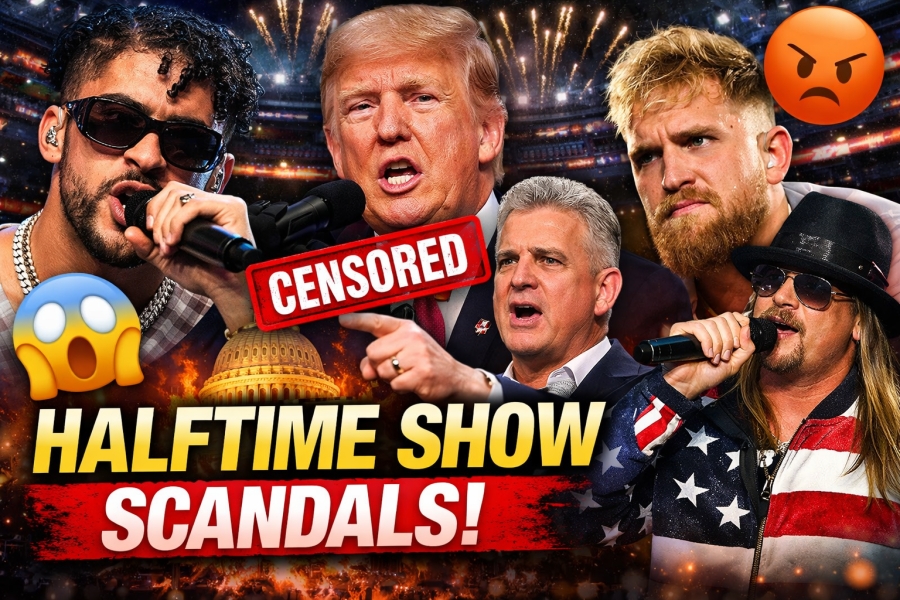
Super Bowl Halftime Show Scandals: From Backlash and Backpedals to Political Firestorms
Each year, the Super Bowl halftime show is more than just a performance — it’s a cultural event watched by over 100 million viewers around the world. But while fans eagerly tune in for the spectacle, the show has also become a magnet for controversy, complaints, and outright scandal.
From political backlash to performance flubs and social media wipes, the latest Super Bowl — Super Bowl LX — has produced more headlines than the game itself. In this blog post, we’ll explore the biggest scandals, cultural flashpoints, and wild reactions that followed one of the most talked-about halftime shows in recent history.
1. Political Outrage and Accusations of “Indecency.”
One of the most explosive controversies to emerge after the Super Bowl LX halftime show centers on political backlash, particularly from conservative politicians.
Republican Congressman Andy Ogles took to social media to call for a formal congressional investigation into the halftime performance, accusing the show of being “explicit and indecent.” Ogles claimed the broadcast violated federal standards, arguing that sexually suggestive choreography and lyrical content went beyond what should be allowed on live television. He urged the House Energy and Commerce Committee to review the NFL and NBC’s role in approving the performance.
Although many viewers and media outlets described the performance as a vibrant celebration of music and culture, critics like Ogles framed it as a breach of broadcast decency, pushing the debate into the political arena and intensifying cultural divisions in the U.S.
This wasn’t an isolated voice — Ogles’ call for investigation reflected wider criticism from certain conservative circles, which framed the performance as controversial not only due to content but also because the show was primarily in Spanish.
2. Bad Bunny Deletes Instagram Following Backlash
In a move that shocked fans and critics alike, Latin music superstar Bad Bunny wiped his entire Instagram account following backlash to his Super Bowl halftime performance. Rather than posting statements or explanations, his social profile was scrubbed clean — no pictures, no posts, not even a profile image — leaving only his name and a link to his tour and music.
This action stirred speculation and debate across entertainment communities:
-
Was this a strategic career move signaling a new era?
-
A response to intense political and cultural criticism?
-
Or simply a quiet reset after a massive global moment?
While artists occasionally purge social media ahead of new projects, the timing suggested that Bad Bunny wanted to distance himself from the online chatter surrounding his halftime show, especially as claws from critics sharpened in the days after the performance.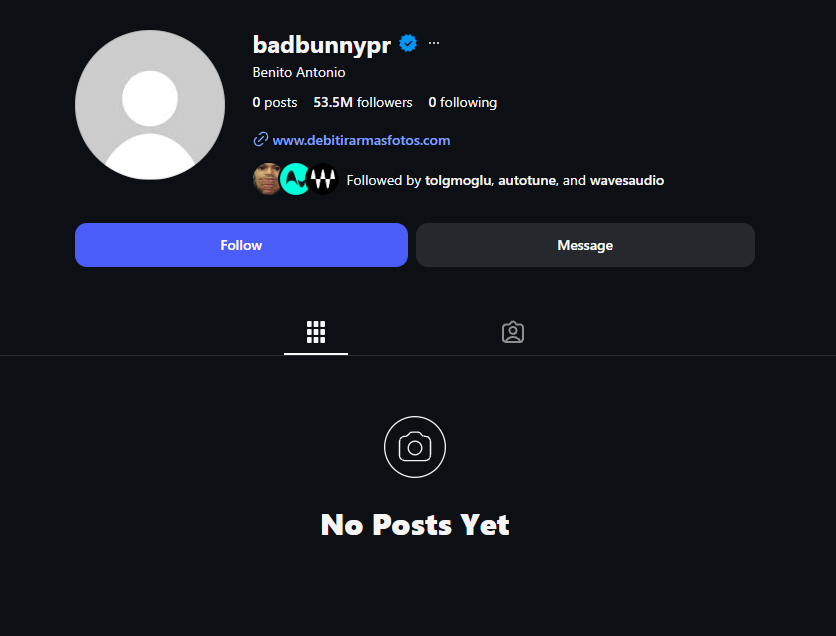
3. Celebrity Call-Outs and Cultural Defense
The controversy didn’t stop with politicians. Comedians and cultural commentators also jumped into the fray.
Jon Stewart and others on late-night television publicly criticized right-wing backlash to Bad Bunny’s halftime performance, calling the outrage “pathetic” and pointing out the performative nature of much of the criticism. Stewart highlighted how figures like Megyn Kelly and conservative commentators dismissed a performance that celebrated Latino culture and artistry.
Notably, this pushback wasn’t just political — it reflected a broader cultural conversation about diversity, inclusion, and what it means for the halftime show to represent the American public.
4. Backlash Doesn’t End at Politics — It Gets Personal
Adding fuel to the fire, influencer Jake Paul stirred his own controversy after initially attacking Bad Bunny on social media by calling him a “fake American citizen.” Paul later walked back his comments after public outcry and clarification that his issue was tied to Bad Bunny’s past activism rather than his citizenship.
This incident highlighted how even individuals outside of politics and music — like internet personalities with massive followings — can shape or inflame public discourse around a major cultural event like the Super Bowl.
5. Alternative Halftime Show Criticized
Not all controversy came from the main halftime stage. The “All-American Halftime Show,” a right-wing counter-broadcast produced by Turning Point USA and headlined by Kid Rock, faced significant ridicule and public scrutiny.
Viewers and critics highlighted notable issues:
-
Reports of apparent lip-syncing and production struggles during the Kid Rock set drew criticism for being poorly executed compared to the main show.
-
Kid Rock later addressed these issues publicly, admitting synchronization problems and explaining they stemmed from editing challenges and limited rehearsal time.
-
The show, despite conservative media praise, attracted far fewer viewers than the official halftime broadcast and was widely mocked on social media.
The counter-programming experiment was intended as an alternative to the main show’s style and messaging. But in execution and reception, it became another chapter in the larger Super Bowl cultural battle.
6. Historic First — and the Language Debate
Bad Bunny’s Super Bowl halftime performance was historic: it was the first major halftime show predominantly in Spanish, celebrating Latin culture on one of the world’s largest stages.
And while many audiences celebrated this representation, the choice also became a flashpoint for controversy:
-
Some conservative voices harshly criticized the use of Spanish during a national broadcast, framing it as exclusionary or un-American.
-
Others stressed that the backlash overlooked how music and culture transcend language — especially in a global event drawing viewers from across the world.
Here’s one example of the criticism: former U.S. President Donald Trump called the show “one of the worst ever,” claiming it didn’t represent American excellence or values, and that viewers didn’t understand most of what was being sung.
These comments ignited yet more debate — not just about a performance, but about identity, national symbolism, and how cultural moments are interpreted through political lenses.
7. A Broader History of Halftime Scandals
This latest Super Bowl controversy sits in a long tradition of halftime show scandals:
-
The infamous Janet Jackson “wardrobe malfunction” during Super Bowl XXXVIII triggered massive FCC fines and changes in broadcast standards.
-
Rihanna’s halftime show generated 103 FCC complaints — less than 1 in a million viewers — despite strong praise overall.
-
Kendrick Lamar’s set drew about 125 FCC complaints for lyrical and thematic content.
These moments show that public reaction — and often overreaction — is part of halftime lore. But the 2026 controversies were different: they weren’t just about a moment on stage, but identity, representation, and politics in music.
8. Social Media Mobs and Fan Response
Perhaps one of the defining features of modern halftime show scandals is how rapidly social media shapes narrative.
Within minutes of Bad Bunny’s performance concluding, fans and critics alike flooded Twitter, X, TikTok, and Instagram with reactions ranging from praise to outrage. Hashtags trended on both sides of the debate, turning a 12 to 15-minute performance into a multi-day cultural phenomenon.
Some posts celebrated the show’s energy and unity themes. Others used the moment to push political talking points or cultural grievances.
This digital amplification means that a halftime show is no longer just a TV moment — it’s a 24/7 social media event where every viewpoint finds an audience.
9. What It All Means for the Future of the Halftime Show
So what do these scandals tell us about the Super Bowl halftime show in 2026 and beyond?
🟢 Cultural Representation Matters
Bad Bunny’s show proved that artists can bring their identity and message to the stage without diluting their vision — even during America’s premier entertainment moment.
🟡 Political Reactions Will Follow
High-profile performances are now automatically political battlegrounds. How and why an artist appears onstage often becomes as big a story as what they actually perform.
🔴 Alternative Programming Isn’t Easy
As the Turning Point USA experiment showed, alternative halftime shows may draw niche audiences, but they are still measured against the giant spotlight of the official broadcast.
🌍 Global Audience Means Global Debate
In an interconnected world, culture spreads fast — and opinions spread faster. Halftime shows now spark global conversations, with reactions from politicians, entertainers, influencers, and fans worldwide.
Conclusion: The Halftime Stage Is Bigger Than Football
The Super Bowl halftime show has never been just about music. It’s about culture, identity, politics, and media perception. The scandals of 2026 — from congressional complaints to celebrity responses, from social media purges to counter-broadcasts — show that one performance can become a national conversation.
The halftime show isn’t just a break in a football game. It’s become a mirror reflecting the cultural tensions and passions of our time.
Whether you loved it, hated it, or fell somewhere in between, one thing is certain: the Super Bowl halftime show still matters — not just as entertainment, but as a flashpoint in the wider story of music, politics, and society in the 2020s.
