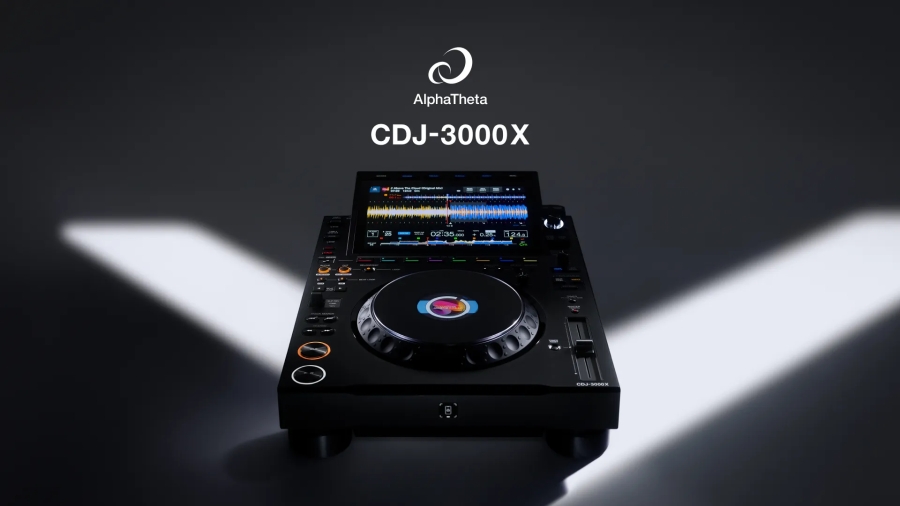
How AlphaTheta’s CDJ-3000X is finding an unexpected new audience
AlphaTheta has refined, not revolutionised, its flagship player — which could become ubiquitous not just in premier nightclubs, but your average home DJ setup
If you’ve spent any time near a club booth in the last decade, you know the look: aluminium chassis, jog wheel gleaming under dim LEDs, and a screen full of waveform lines and hot cues. For years, Pioneer DJ (now under the AlphaTheta umbrella) owned that aesthetic and the market; the CDJ series was the shorthand for “professional DJ player.” The new CDJ-3000X doesn’t rip that script up. Instead, it takes the trusted formula and polishes each corner until the whole thing feels modern in a way that matters — and that refinement is what’s nudging the 3000X out of pro booths and into a growing number of home setups.
Not a revolution, an essential evolution
There’s a temptation to expect every new product to be a manifesto of change. The 3000X is wiser: it’s evolutionary. Think bigger screen, better connectivity, smarter browsing, and small but meaningful workflow upgrades. That’s it. That’s the headline. But those “small” changes are what matter in day-to-day DJing — especially for DJs who aren’t tethered to festival rigs and mountain-of-cables setups. A capacitive 10.1-inch touchscreen replaces the older resistive panel and displays more tracks and metadata at once, which speeds up finding the right record mid-set. Built-in Wi-Fi and NFC sign-in streamline access to cloud libraries and streaming services. For a home DJ who wants to play professional-grade sets without lugging extra routers or worrying about Ethernet runs, this is a huge quality-of-life improvement.
The connectivity story: less cable, more convenience
AlphaTheta’s designers have clearly thought about how DJs actually move: late arrivals, short setup windows, and the necessity of jumping straight into a set. The 3000X has built-in Wi-Fi, a front-panel NFC pad for quick rekordbox login, and USB-C instead of the old SD slot. That all adds up to fewer annoying hardware rituals — no more scrambling for SD cards, no wrestling with Ethernet, and no slow login routines. For a club engineer, that’s a relief. For a home DJ, it means you can bring pro hardware into the living room and not feel like you’ve set up mission control. Reviews consistently point to this as one of the 3000X’s core advantages.
Why home DJs are paying attention
There are three main reasons the 3000X is starting to appear in home rigs:
-
Feature set that actually scales down — The improvements are as useful for club-level performance as they are for a producer practising at home. High-quality audio, responsive jog, professional I/O — these don’t become overkill in a bedroom; they just make practice feel real.
-
Ease of use for streaming and cloud libraries — DJs who built huge Rekordbox libraries now have seamless cloud options. Coupled with OneLibrary and cross-platform initiatives, DJs can hop between setups without recreating libraries — that’s particularly appealing for hobbyists who DJ on different machines or want to practice with the exact record pool they’ll use in a bar or festival. (OneLibrary’s cross-platform promise is a big ecosystem play that makes owning a CDJ feel future-proof.)
-
A status symbol and a learning tool — For some, owning a CDJ is aspirational: it’s the gear the pros use. For others, it’s a practical way to learn industry standards. The 3000X’s incremental upgrades mean home DJs can learn on the same UI, same workflow, same button feel as in the top booths. That parity reduces a friction point when moving from the bedroom to the bar.
What AlphaTheta kept, and why it matters
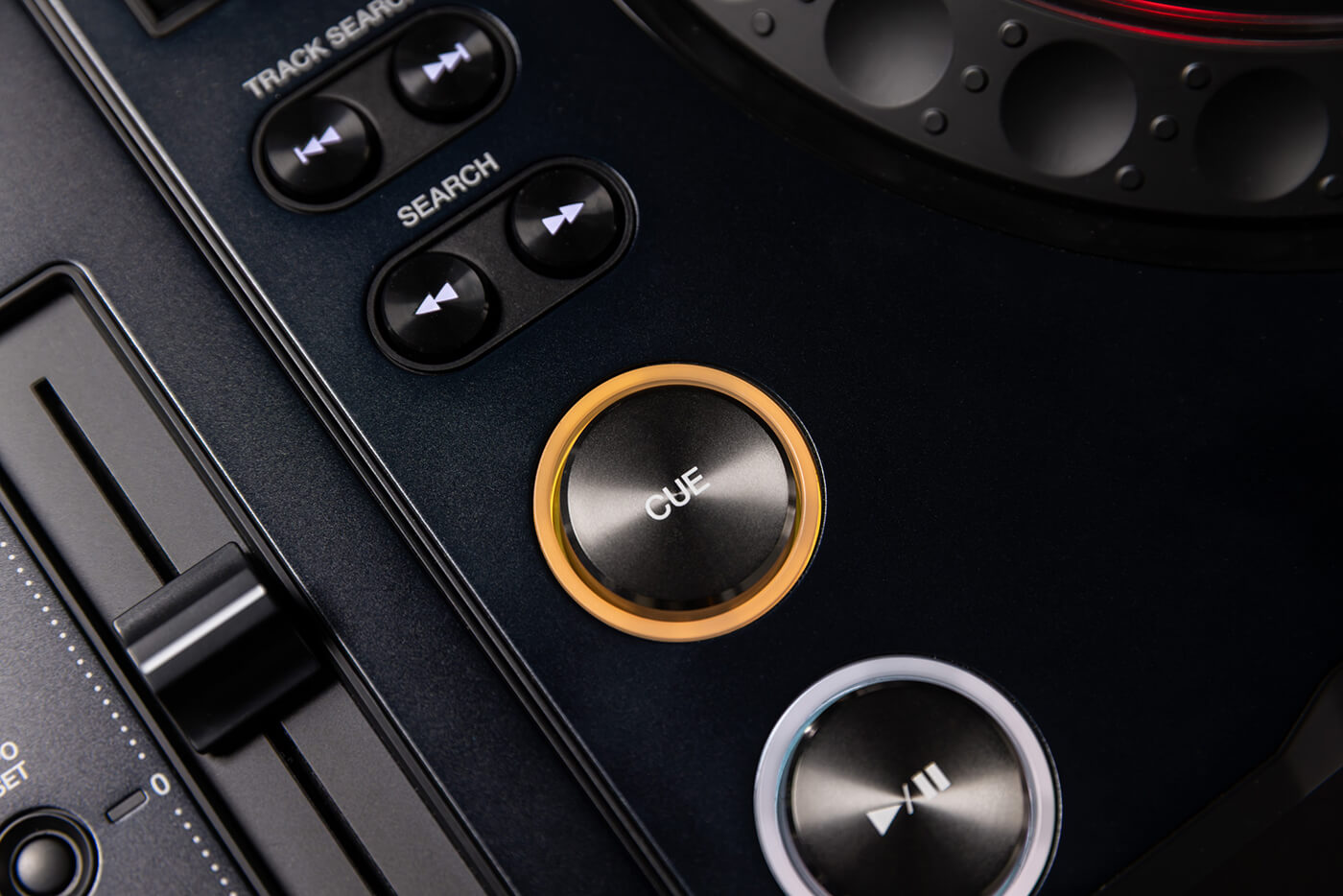
You won’t find radical new performance modes like multi-layer decks or built-in Stems processing on the 3000X. AlphaTheta doubled down on reliability — tougher play/cue buttons, a redesigned jog with refined feel, and improved audio circuitry. It’s the “if it ain’t broke, improve it” philosophy. For working DJs and club buyers, longevity and predictability outweigh gimmicks. For home buyers, that means the unit won’t suddenly become outdated when a software trend shifts. It’s a long-term investment in a stable, pro-level workflow.
The one potential friction: price and features
Let’s be honest: the CDJ-3000X is a premium product with premium pricing. The street figures sit comfortably above many standalone players and controllers, and there’s still no onboard SSD for massive local storage. AlphaTheta seems to be betting on cloud and connected workflows rather than stuffing more local storage into the chassis. For home DJs with smaller budgets, controllers from other brands still represent value; for players who want authentic club hardware and the feeling of a pro booth in their lounge, the 3000X fills that niche. Reviews have repeatedly noted that the model is the most polished CDJ yet — but not necessarily a must-have upgrade for every CDJ-3000 owner.
The ecosystem shift: OneLibrary and cross-platform freedom
One of the quiet game-changers here isn’t a physical button on the player — it’s the move toward a more open library standard. OneLibrary, which aims to let DJs carry cue points, beatgrids and playlists between rekordbox, Traktor, and djay Pro, reduces vendor lock-in and makes buying high-end hardware less risky. If your collection is portable between systems, owning a CDJ that plays nice with cloud libraries becomes logical even for a hobbyist — suddenly you aren’t buying into a one-brand lifecycle. That kind of ecosystem move encourages more people to invest in higher-end kit because the software and library headaches are eased.
Real talk: reliability and early hiccups
No product is perfect at launch; AlphaTheta’s firmware story this year shows how sensitive the community is to updates that affect library integrity. There have been reports of problematic firmware updates that caused missing tracks and playlists for some users, which is a serious wake-up call for anyone relying on USB sticks or freshly created library formats. It underlines one lesson: pro hardware depends as much on thoughtful software rollout as it does on chassis design. Home users should be cautious with firmware updates and keep backups of their libraries. AlphaTheta’s response to revert and investigate is an important part of maintaining trust.
Who should consider a 3000X for home use?
If you fit any of the following profiles, the 3000X makes strong sense:
-
You want a pro-grade practice environment that translates directly to club performance.
-
You stream often or want to integrate cloud streaming/Beatport/Tidal into your DJing workflow.
-
You care about long-term compatibility with industry standards and prefer the physical media feel over controllers.
-
You’re building a hybrid rig (controller + media player) and want the industry standard jog, audio path, and build quality.
If you’re a casual weekend mixer, teaching yourself to DJ, or on a tight budget, a high-quality controller or a second-hand media player might be the smarter choice — but for the committed bedroom jockey who wants the tactile, “real” booth feel, the 3000X is a compelling option.
What this means for clubs, schools, and the broader scene
Clubs will adopt the 3000X because it reduces setup friction and looks slick in the booth. DJ schools and tutors will want students to learn on the hardware that represents the standard. The interesting consequence? Those students, once they buy gear for home practice, will increasingly buy the same brand hardware. The CDJ, long a professional-only symbol, is slowly migrating into learning studios and living rooms — and that trickle could shift the baseline expectation of what “home DJ gear” looks like in five years. That’s how a refined product becomes ubiquitous.
Bottom line: ubiquity through refinement
The CDJ-3000X proves a design truth that’s easy to forget: ubiquity rarely arrives via bold reinvention — it arrives when a product becomes so well adapted to real-world workflows that it fits everywhere. AlphaTheta didn’t invent a new way to DJ with the 3000X. Instead, it made the everyday work better: faster logins, cleaner browsing, better screens, and more reliable buttons. Those changes may sound incremental, but they lower the barrier for home DJs to buy pro gear and for clubs to keep a consistent booth standard. The result is an unexpected audience — not because AlphaTheta chased home DJs, but because it made a pro tool that also happens to be brilliantly at home in the living room.
If you’re a bedroom DJ who’s been daydreaming about pro gear, the 3000X is a sensible, aspirational pick — provided you’re ready to invest and you respect the importance of firmware discipline and backups. For clubs and rental houses, it’s the kind of incremental polish that turns “good enough” into the new baseline.
And for the DJ community? It’s another step toward a future where the gap between the living room and the main room keeps getting smaller. That’s good for music, good for learning, and — frankly — good for anyone who loves the feeling of cueing up a record on a machine that feels like the heart of the scene.
