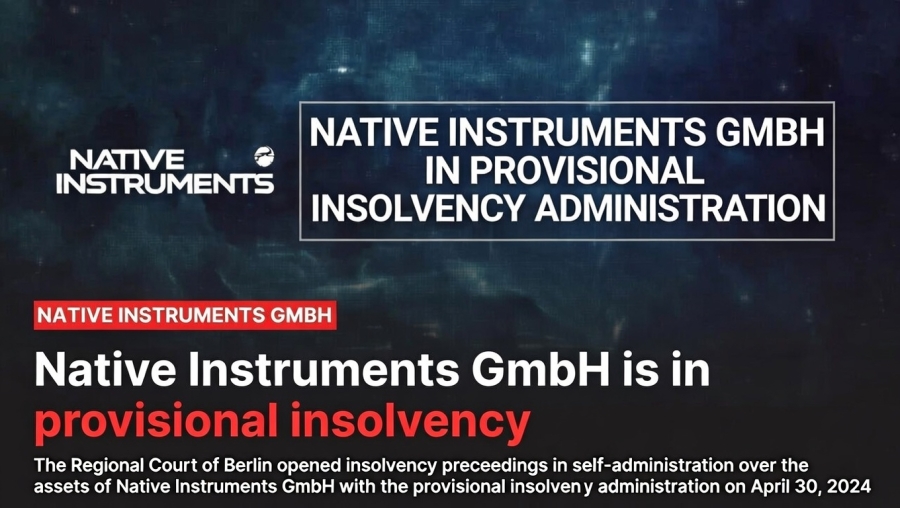
Native Instruments GmbH Is in Preliminary Insolvency — What This Means for the Music Tech World
January 27, 2026 — Berlin, Germany. In a major development for the global music production community, Native Instruments GmbH — one of the most influential companies in music software and hardware — has entered preliminary insolvency proceedings, signaling a dramatic turning point in the company’s 30-year history.
This news has sent shockwaves through the music industry, given Native Instruments’ deep impact on electronic music production, DJing, sound design, and studio workflows. In this comprehensive guide, we’ll explore what insolvency means, why it matters, and how it could shape the future of the brand and its beloved products.
Who Is Native Instruments? A Quick Overview
Native Instruments GmbH is a German company founded in 1996 in Berlin by Stephan Schmitt and Volker Hinz. Over nearly three decades, the company built an impressive portfolio of products that have become staples in studios and stages worldwide, including:
-
Kontakt — industry-leading software sampler
-
Maschine — groove production hardware and software
-
Traktor — DJ performance software
-
Reaktor — modular synthesis environment
-
Massive and Absynth — iconic soft synths
-
Komplete — comprehensive instrument and effect suite
The company’s tools have shaped countless tracks across genres — from electronic and hip-hop to film scoring and pop production.
In recent years, Native Instruments also became the parent entity to iZotope, Plugin Alliance, and Brainworx, bringing additional influence through tools like Ozone, RX, and a suite of boutique plugins under one umbrella.
Breaking: Preliminary Insolvency Declared
On January 26, 2026, official insolvency documents filed with the Berlin courts confirmed that Native Instruments GmbH has entered preliminary insolvency proceedings. A specialist insolvency administrator — Prof. Dr. Torsten Martini — has been appointed to oversee the process.
What Does “Preliminary Insolvency” Mean?
Under German insolvency law, preliminary insolvency (vorläufige Insolvenzverwaltung) is an early stage of legal restructuring. It does not necessarily mean immediate bankruptcy or liquidation — but it does mean:
-
The company’s management loses authority over major decisions.
-
An appointed administrator oversees financial operations.
-
Assets may be reassessed, restructured, or prepared for sale.
-
Creditor protections kick in as the process unfolds.
In practical terms, this phase seeks to stabilize the company, prevent creditors from seizing assets, and determine whether the business can be rescued, restructured, or if its parts need to be sold off.
Why This Matters: Industry Impact
Native Instruments isn’t just another tech firm — it’s a pillar of the music production ecosystem. Its products have been used by millions of musicians, producers, composers, and DJs. Here’s why this insolvency is significant:
1. Creators Worldwide Depend on NI Tools
Hundreds of thousands of users rely on Native Instruments products — from Kontakt libraries powering symphonic scores to Maschine beats heard in chart-topping tracks. A disruption in support, updates, or licensing could impact creative workflows globally.
2. Third-Party Developers Are Tied In
Platforms like Kontakt and Reaktor function as ecosystems for third-party developers who build and sell instruments and effects. Insolvency uncertainty puts these partners in a precarious position, potentially affecting plugin availability and developer support.
3. Hardware and Software Product Lines Could Be Affected
Products such as Maschine hardware, Komplete bundles, and DJ controllers like those in the Traktor line could face discontinuation, restructuring, or changes in distribution depending on how asset sales are handled.
4. Brand and Ownership Might Change
Since 2021, Francisco Partners — a US-based private equity firm — has held a majority stake in Native Instruments. Preliminary insolvency puts that ownership into question and could lead to acquisitions by new investors or corporate buyers.
How We Got Here: Possible Causes and Context
The insolvency of a company as large as Native Instruments doesn’t happen overnight. A combination of industry pressures, internal challenges, and external market forces likely contributed.
1. Industry Competition and Market Shifts
Music production software is more competitive than ever. Agile competitors like Arturia, Cherry Audio, and others have gained traction with affordable, innovative instruments that appeal to modern creators. This fierce competition may have eroded NI’s market share over time.
2. Strategic Missteps and Integration Challenges
In the past decade, Native Instruments went through significant changes, including:
-
A period under the Soundwide brand (combining NI, iZotope, Plugin Alliance, Brainworx).
-
Frequent reorganizations and changes in leadership.
-
Challenges gaining traction with subscription-based services, such as Sounds.com.
These moves may have shifted focus away from core strengths and strained internal resources.
3. Economic Factors and Financial Pressure
Like many tech firms, Native Instruments faced turbulent economic conditions following the global pandemic. Layoffs in 2020 and 2023 revealed earlier financial stress, and maintaining innovation and relevance in a rapidly evolving market became increasingly difficult.
What This Means for Users
Support and Product Updates
While insolvency doesn’t immediately shut down support, users may see slower updates, licensing issues, or halted development depending on how the restructuring proceeds.
Licensing and Activation
Products that rely on online authorization (i.e., Native Access, NKS) may face changes if backend servers or support systems are altered during the insolvency process.
Product Continuity
Even if the brand continues under new ownership, product roadmaps may shift, be scaled back, or be integrated into other companies’ ecosystems.
What This Means for Employees and Partners
For the teams behind Native Instruments and its sister brands like iZotope and Plugin Alliance, preliminary insolvency introduces uncertainty:
-
Job security is not guaranteed during restructuring.
-
Contracts, partnerships, and future projects may be renegotiated.
-
Third-party developers and partners must reassess long-term plans.
However, insolvency procedures in Germany are designed to preserve value where possible, so not all outcomes are bleak — including opportunities for new investment or reorganization that could save parts of the business.
Industry Reaction: A Stunned Community
News of the insolvency has set off intense discussion across the music producer community:
-
Many long-time NI users express shock and sadness, given years of creative investment in the ecosystem.
-
Some speculate that technical debt and lack of significant innovation compared with rivals contributed to NI’s struggles.
-
Others urge users to back up libraries, consider alternatives, or brace for wider industry shakeups.
Possible Scenarios Ahead
With preliminary insolvency underway, there are several paths the story could take:
1. Restructuring and Recovery
The company works with the insolvency administrator to restructure debts, streamline operations, and return to profitability.
2. Sale or Acquisition
Key assets — including flagship products or divisions — could be acquired by new owners who continue development under different leadership.
3. Brand Fragmentation
Parts of the business — perhaps the software division, hardware division, or product ecosystems — might be split and sold to different buyers.
4. Liquidation (Worst Case)
If rescue efforts fail, the company might be wound down and assets sold off, potentially ending official support for certain products.
Conclusion: A Defining Moment for Music Technology
Native Instruments’ preliminary insolvency is undeniably a major event for musicians, producers, and the wider music tech industry. For many, NI’s products have been tools of creativity for years — and the uncertainty ahead is emotionally and financially unsettling.
However, preliminary insolvency is not the end. It’s a legal process that can lead to restructuring, revitalization, and even new opportunities. The next weeks and months will be critical to understanding whether the company can be revived, restructured, or reborn under new ownership.
For now, users should stay informed, back up important projects and libraries, and monitor official updates as this story continues to unfold.
